


Introduction: A Shift in the Landscape of Luxury
In the world of high-end retail, a quiet revolution is underway. The paradigm is shifting away from the conspicuousness of loud logos and dazzling opulence towards a more refined, confident aesthetic. This movement has a name: “quiet luxury design,” a concept that publications like Vogue Business have identified as a defining consumer shift, and it has quickly become the most influential of all current lighting trends.
So, what does this mean for the physical feel of a retail space? It means transforming a store from a simple showroom into an immersive brand sanctuary. This article will explore this powerful trend, breaking down how it is masterfully achieved through the synergy of professional architectural lighting design and specialized retail display lighting.
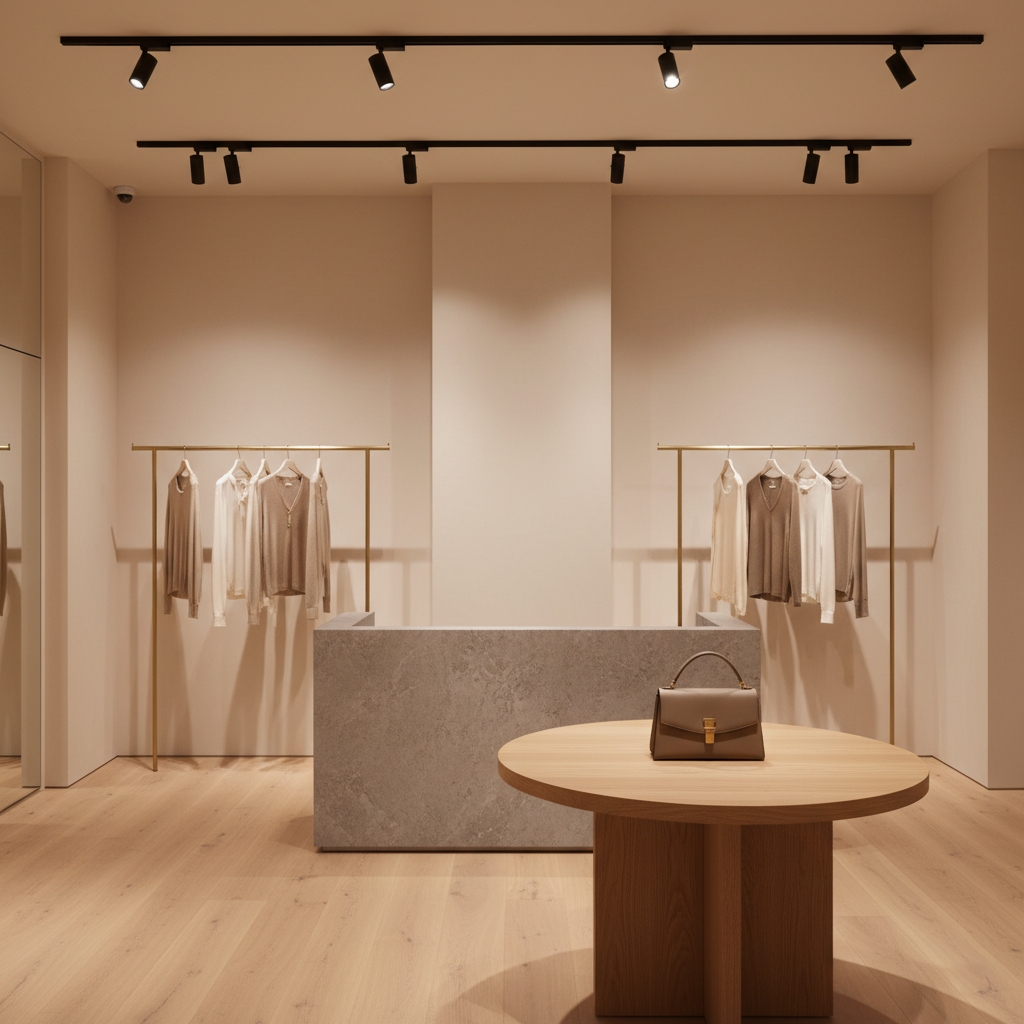
Defining the Trend: What is “Quiet Luxury” in Lighting?
At its core, the quiet luxury lighting trend is a philosophy that prioritizes mood, material quality, and the customer’s sensory experience over sheer brightness or overtly decorative fixtures. It’s the art of using light to communicate value without shouting.
Key characteristics of this approach include:
Subtlety and Integration: The most effective lighting is often the light you feel, not the one you see. The focus is on seamlessly integrating light sources into the architecture itself.
Revealing Texture and Form: Light is used as a tool to reveal the inherent beauty of materials—the grain of wood, the texture of stone, the soft drape of fabric.
A Serene Atmosphere: The goal is to create an environment that feels calm, welcoming, and exclusive, inviting customers to slow down and truly connect with the products.
This approach explains the “why” behind the evolution in today’s lighting trends, moving from a purely functional role to one that is deeply strategic and brand-defining.
The Method: The Role of Architectural Lighting Design
Achieving the sophisticated effect of quiet luxury isn’t accidental; it is the result of a highly skilled discipline: architectural lighting design. This practice, championed by professional bodies like the International Association of Lighting Designers (IALD), is what separates a world-class lighting scheme from simply installing light fixtures.
Below is a comparison of the old and new approaches:
| Feature | Old Luxury Lighting (Ostentatious) | Quiet Luxury Lighting (Understated) |
| Primary Goal | Create drama, grab attention | Evoke emotion, create comfort |
| Light Levels | High contrast, very bright | Soft gradients, balanced brightness |
| Fixtures | Large, decorative, a statement piece | Minimalist, integrated, often hidden |
| Focal Point | The chandelier or the fixture itsel | The product and the architecture |
| Customer Feeling | Intimidated, impressed, rushed | Relaxed, intrigued, valued |
A key technique in modern architectural lighting design is layering. By balancing soft ambient light, focused accent light, and carefully placed decorative light, designers create a sense of depth and sophistication that makes a space feel truly premium.
The Tools: Perfecting Retail Display Lighting
A brilliant design concept can only succeed with the right tools. The execution of a quiet luxury scheme hinges on the technical performance and physical form of the retail display lighting fixtures. These are not just commodity products; they are precision instruments.
Essential features for these tools include:
High Color Rendering (CRI > 95): This is non-negotiable. A high CRI ensures that the colors of merchandise—from leather goods to fine textiles—are rendered with perfect accuracy. Learn more in our guide to understanding CRI.
Minimalist Form Factor: The fixtures themselves must embody the quiet luxury ethos. They should be discreet, elegant, and designed to blend into the environment, not to draw attention.
Precise Optics: Advanced optics are crucial for controlling the beam of light. This allows designers to eliminate unwanted glare and precisely highlight products, creating visual focus without overwhelming the senses.
At Seeposh, our product philosophy is built around providing these exact tools. We engineer high-performance, minimalist fixtures that empower designers and brands to execute the most sophisticated visions in retail display lighting.
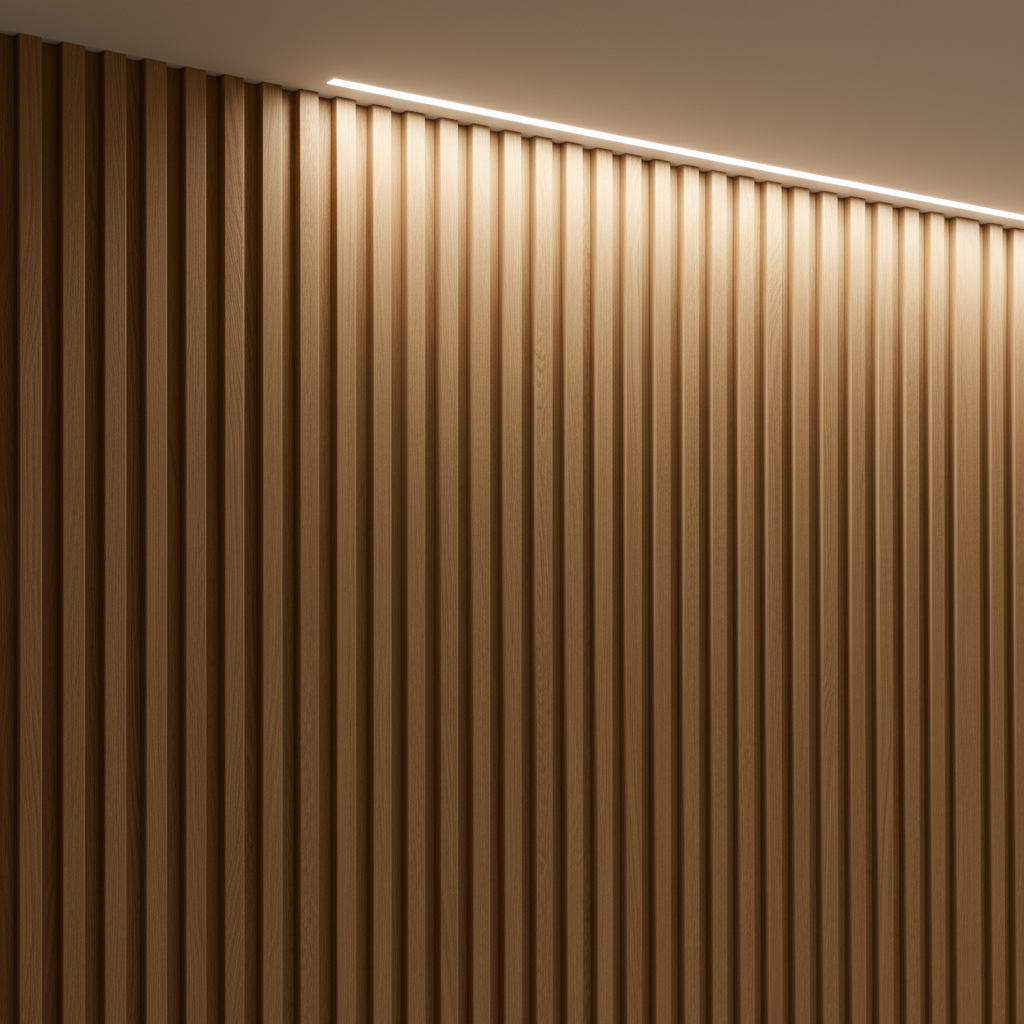
Conclusion: The Future is Subtle
The move towards quiet luxury design is more than a fleeting moment; it is the defining lighting trend for the premium market, reflecting a deeper consumer desire for authenticity and substance.
Success in this new era is not measured in brightness, but in nuance. It can only be achieved when the strategic vision of architectural lighting design is paired with the precision of high-performance retail display lighting. This subtle, quality-focused approach is no longer just an option—it is the new, enduring standard for creating timeless and impactful luxury retail experiences.
Frequently Asked Questions (FAQ)
1. What is the best color temperature for quiet luxury lighting?
Generally, a warm to neutral color temperature, between 2700K and 3000K, is preferred. This range creates a warm, inviting, and high-end atmosphere similar to a luxury residence or a fine art gallery, making customers feel comfortable and relaxed.
2. How does quiet luxury lighting affect customer behavior?
This lighting approach is designed to slow customers down. The soft, comfortable environment encourages longer browsing times, deeper engagement with products, and a stronger emotional connection to the brand, which can ultimately lead to higher sales and brand loyalty.
3. Can any retail space adopt the quiet luxury lighting trend?
Yes, the principles can be adapted to various scales. While often associated with high-end flagships, the core ideas—layering light, focusing on quality over quantity, and using integrated fixtures—can be applied to smaller boutiques or specific zones within a larger store to create a more premium feel.
4. Why is a high CRI so important for retail display lighting?
A high Color Rendering Index (CRI) ensures that light shows colors truthfully. For luxury goods, where subtle color variations and material quality are key selling points, a low CRI light can make products look cheap or discolored. A CRI of 95 or above guarantees that what the customer sees in the store is what the product actually looks like.


